Musical history, people, ensembles, photographs, and source material from the Oklahoma Musicians Library.
The musical history of Carter County.
Carter County has one of the strongest documented school-band histories located in this county series. Ardmore’s instrumental-music history identifies 1926 as the beginning of band development in the public schools, when approximately twenty youths were organized to play pep and martial music. The program grew into a marching and concert organization and continued through successive directors. [Carter County history excerpt](https://www.oklahomahistory.net/newsletters/TT1240.htm) (high)
Read the full account, chronology, named ensembles and people, source links, and research notes. These library reports reflect their original research passes; related records below may add later evidence.
Explore the county collection
17 linked records. Connections follow county names and communities documented in the sources; they do not establish a birthplace, exact historical boundary, or continuous residence.
Photographs and visual sources.
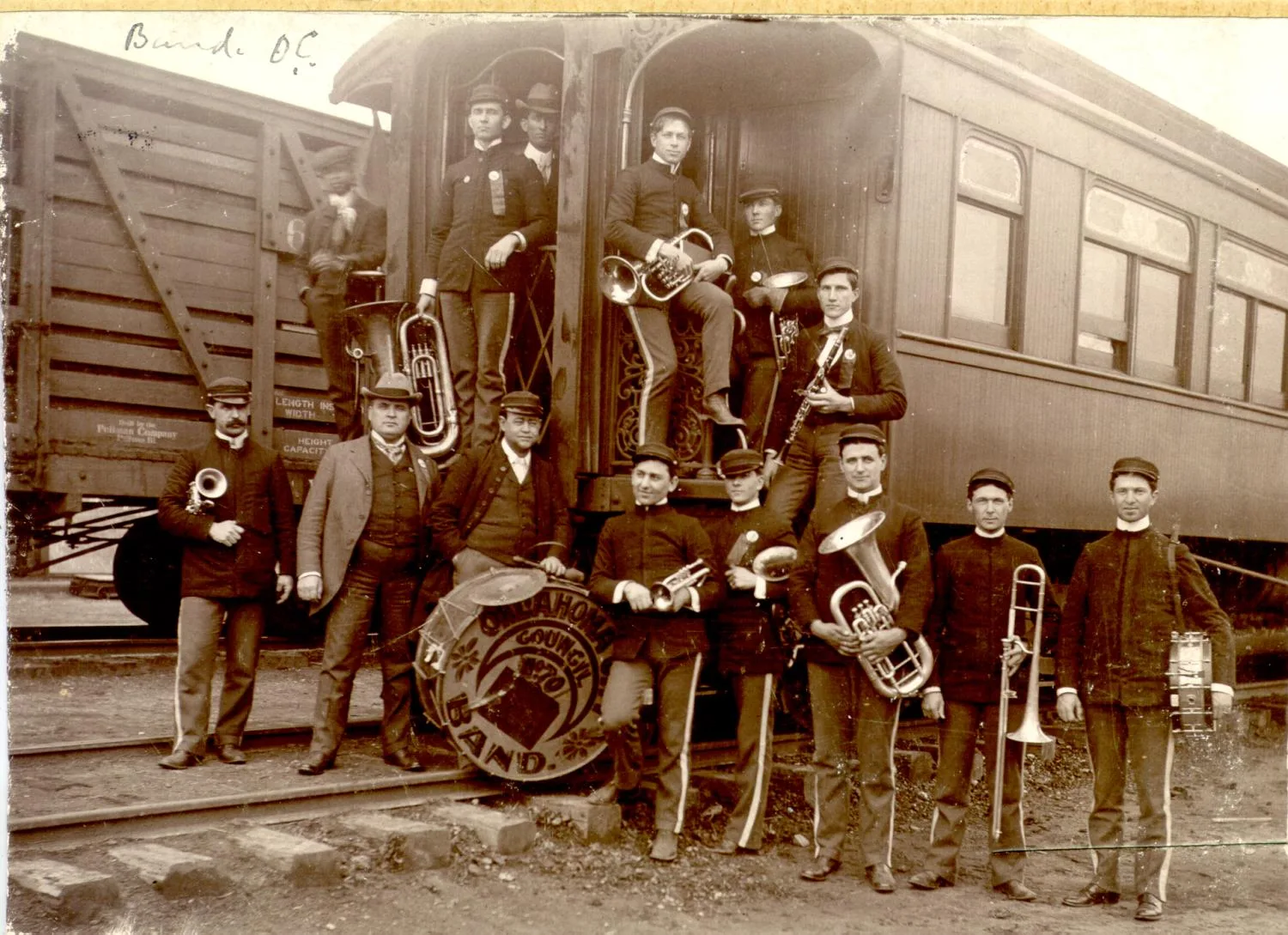
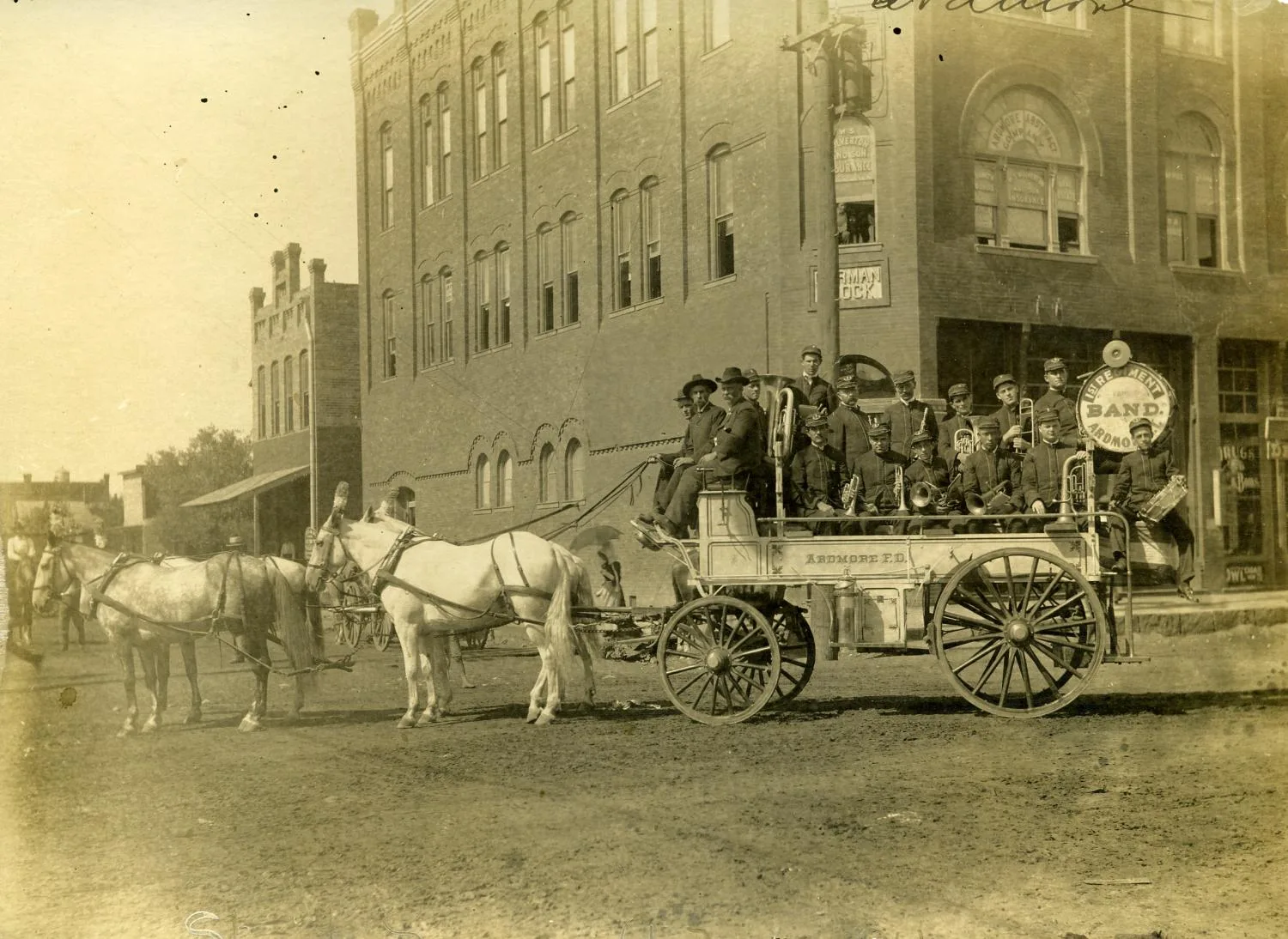
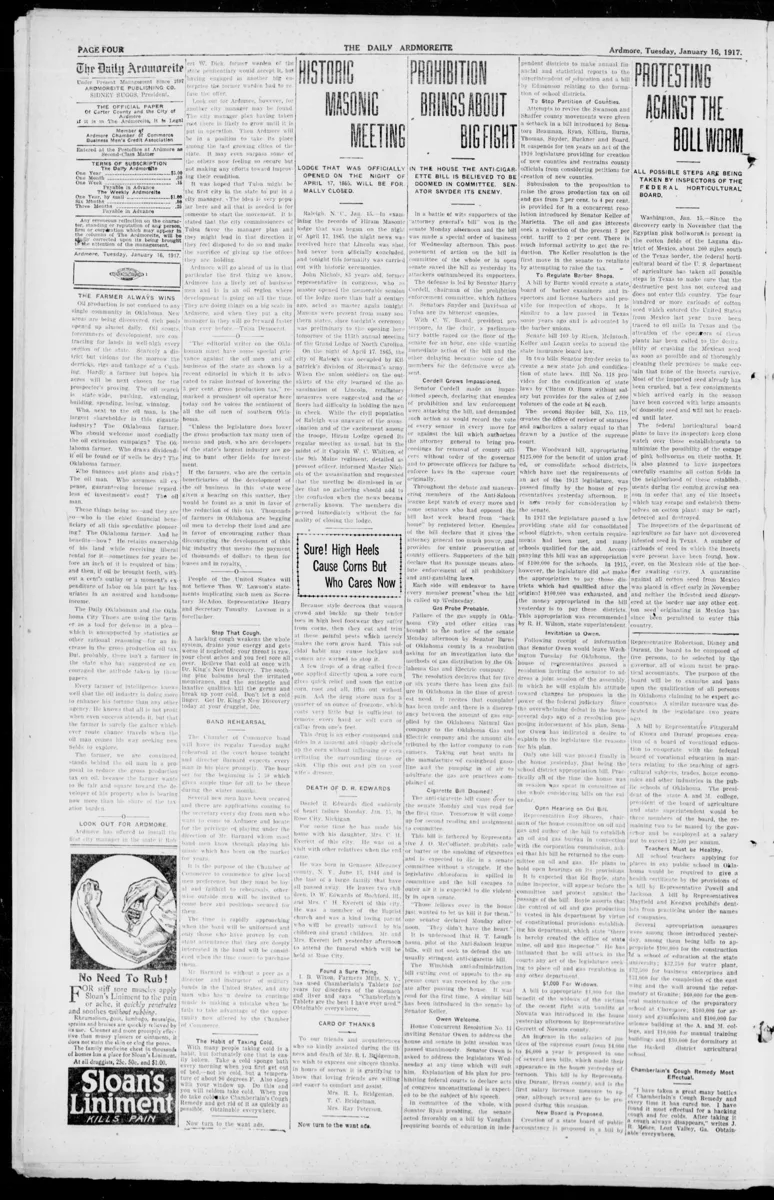
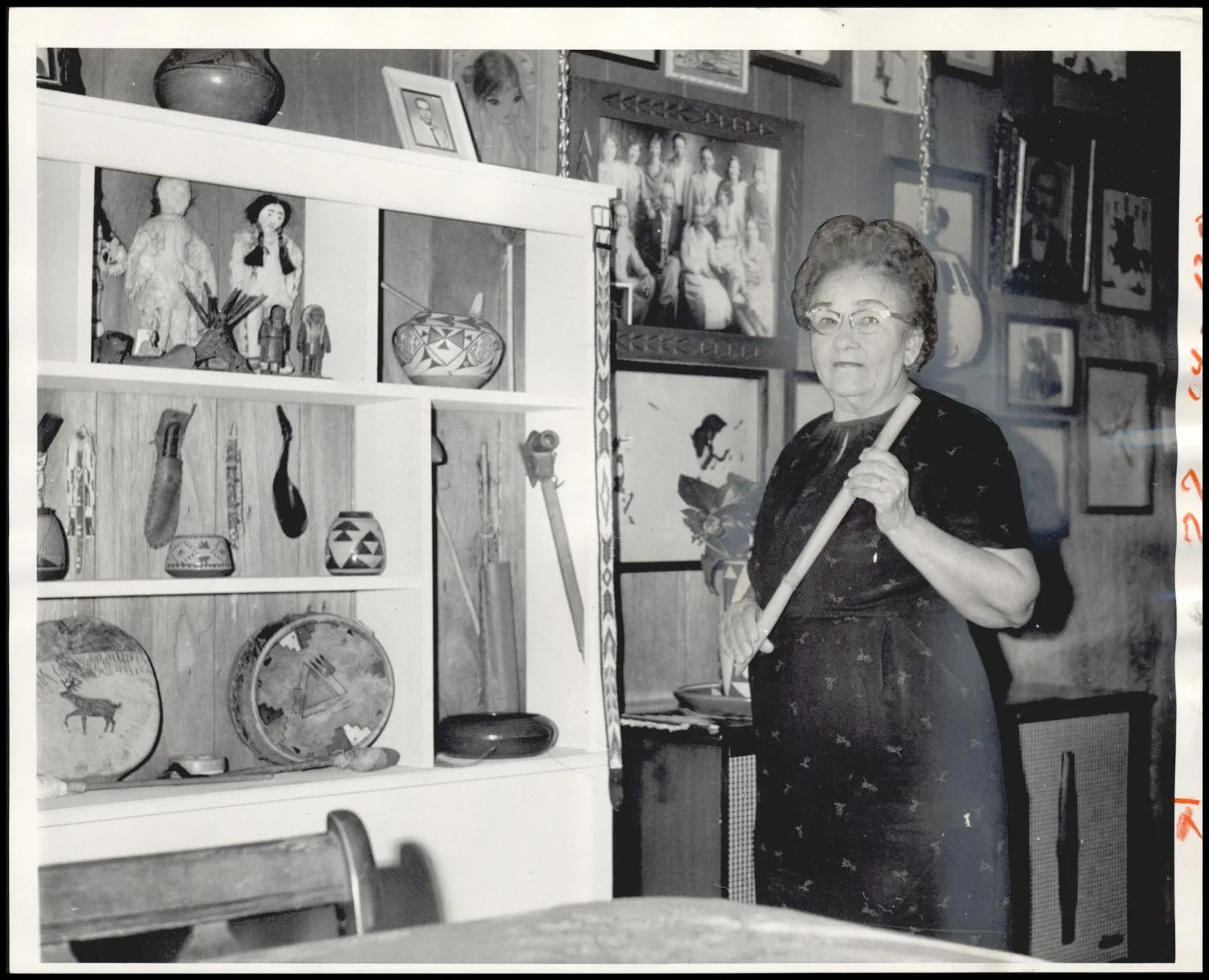
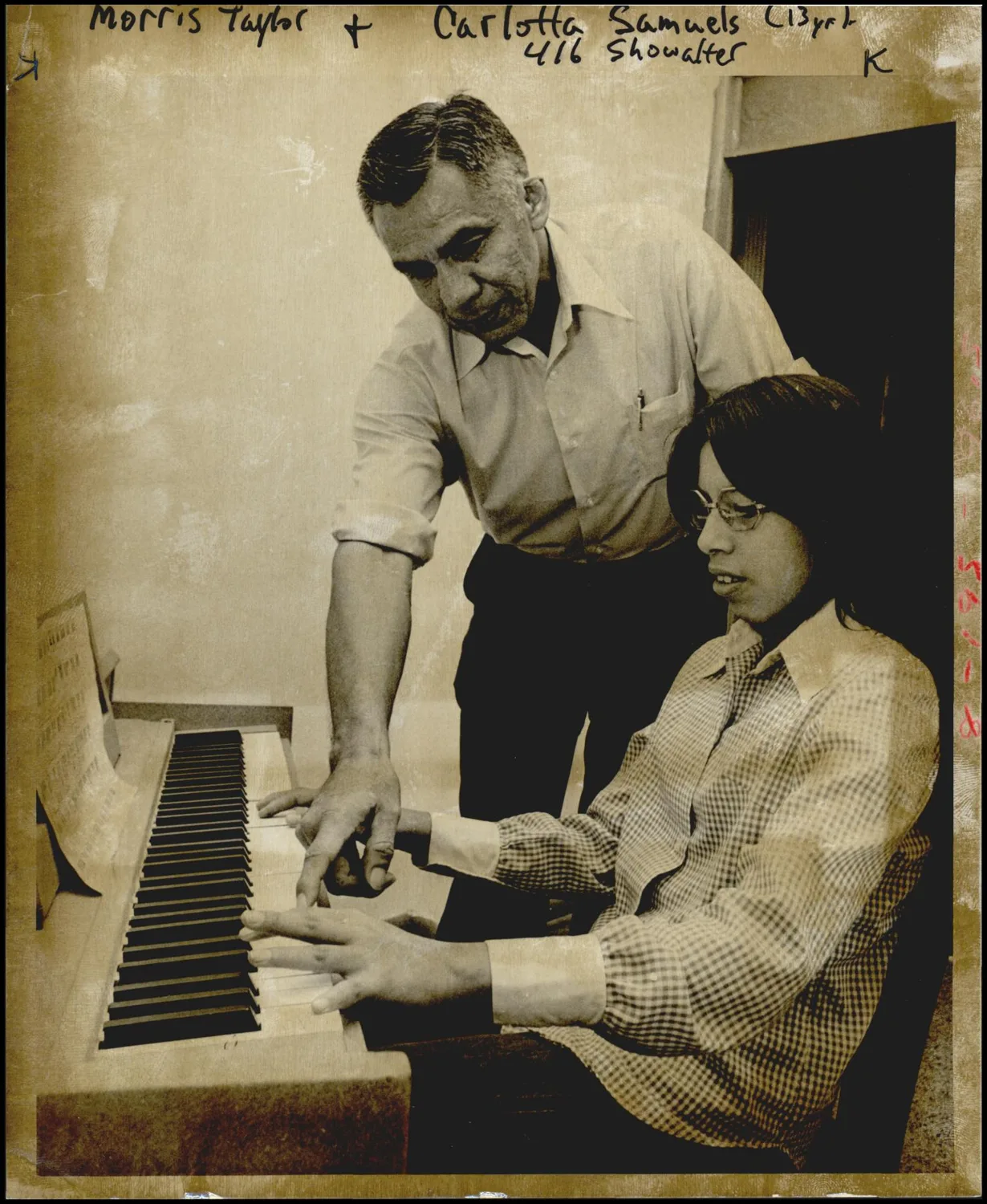
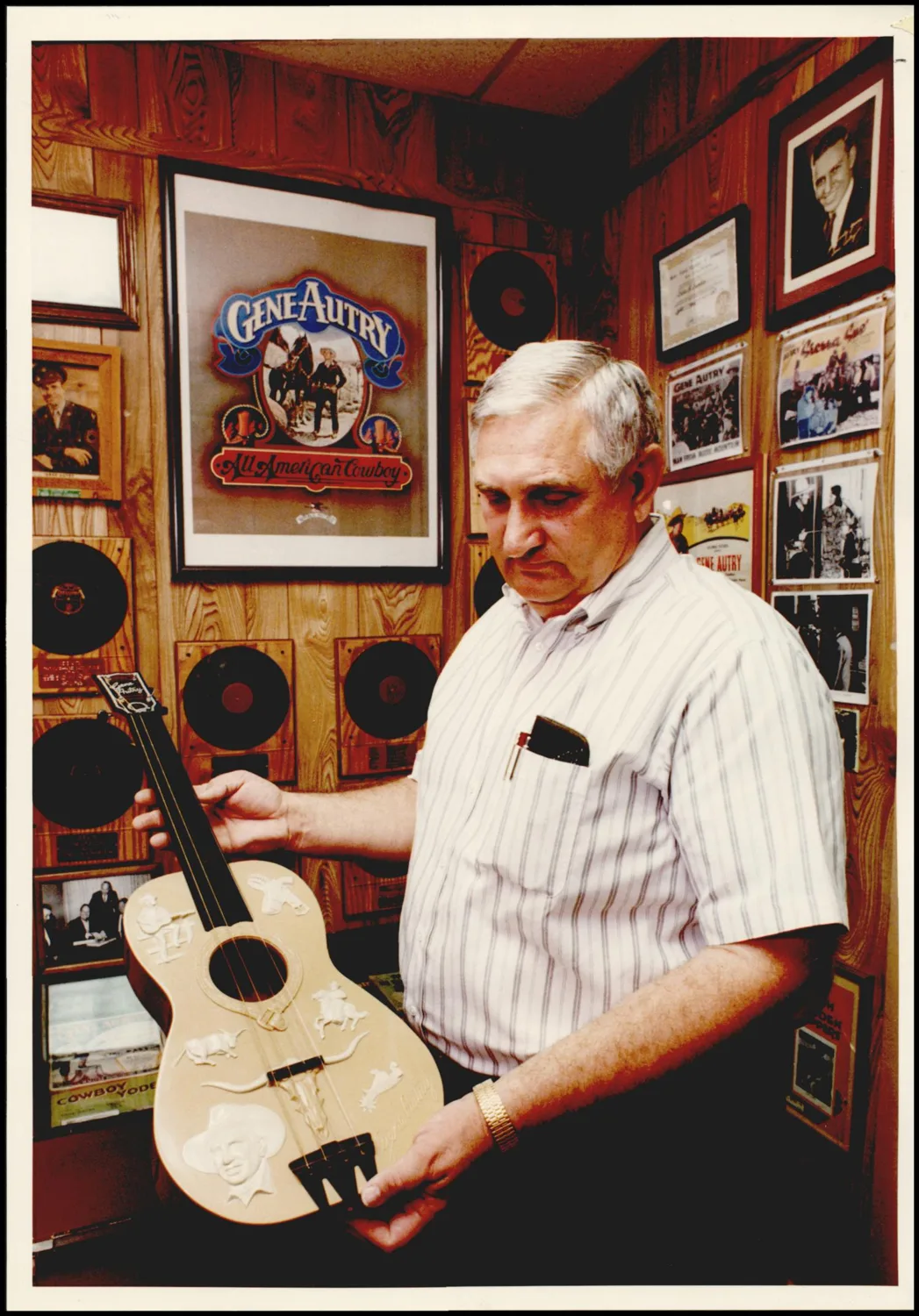
Ardmore, OKPhotograph of the Oklahoma City Council No. 70 Band visiting Ardmore, OK.Oklahoma Historical Society / The Gateway to Oklahoma History · Original sourceArdmore, OKPhotograph of the First Regiment Band of the Ardmore Fire Department in Ardmore, OK, 1907.Oklahoma Historical Society / The Gateway to Oklahoma History · Original sourceArdmore Chamber of Commerce BandPhotographs document the chamber band in 1916 and 1917; the later item names George D. Barnard as director.Fraternal, Workplace, and Institutional Bands · Original source[Photograph 2012.201.B0422B.0553]Photograph used for a story in the Oklahoma Times newspaper. Caption: "Mrs. Vivian McGilberry, her vast Indian artifact collection behind her, holds a reed flute on which elder Pueblos played "Indian Love Call" to welcome her and her husband to the Pueblo reservation. (She is half Chickasaw, her husband half Choctaw, and they began their long education careers in the Nickle Hills School north of Tishomingo in 1919.)"Oklahoma Historical Society / The Gateway to Oklahoma History · Original source[Photograph 2012.201.B1277.0609]Photograph used for a story in the Daily Oklahoman newspaper. Caption: "An unusual type of volunteer is Morris Taylor, Ardmore, who is giving four weeks of his time to teach members of Angie Smith Indian Methodist Church, 401 SW 31, the basics of piano."Oklahoma Historical Society / The Gateway to Oklahoma History · Original source[Photograph 2012.201.B1223.0414]Photograph used for a story in the Daily Oklahoman newspaper. Caption: "Elvin Sweeten, director of the Gene Autry museum in Gene Autry, holds a guitar bearing the cowboy star's name."Oklahoma Historical Society / The Gateway to Oklahoma History · Original source